Our work takes place in neighbourhoods around Dwarka, Delhi, where regular meals and basic health guidance are not always available. Most of the families we meet earn through daily or informal work. Some depend on small pensions. In many households, income is not steady. When work slows down, meals are reduced. Medical visits are delayed until they cannot be avoided.
Food Distribution Activities in Delhi
Food is distributed at known locations and through local outreach. We return to the same areas repeatedly so families know when support will be available. This consistency helps them plan rather than treat food support as a one-time emergency. Hygiene during preparation and distribution is strictly maintained.
Food is provided without documentation requirements. People are not asked to explain their circumstances. This helps ensure access remains simple and respectful. Children, elderly people, women running households, and people with disabilities are given priority during distribution. These are the individuals we most often see eating less when money is short. Distribution schedules are planned accordingly.
Health Awareness Work
Health awareness is addressed alongside food distribution. Health questions usually come up while food is being served. Questions come up during distribution. Most are about food, water, or minor health problems that people have been living with for some time. The responses stay simple and are based on what people can realistically manage day to day.
We keep the language simple and avoid technical explanations. There are no separate health sessions. Information is shared during food distribution so people do not need to make additional visits or arrangements.
This improves participation and keeps communication direct.
Community Engagement
The food donation programme relies on regular interaction with the same communities. This allows us to understand patterns such as seasonal income loss, health issues linked to work conditions, and food insecurity among elderly residents living alone.
Feedback from community members helps guide food planning and outreach timing. Adjustments are made based on observed needs rather than assumptions.
Food preparation and distribution are handled with the help of volunteers. Several volunteers are already known in the area. During distribution, they keep track of people who attend regularly and those who stop coming. They share this information so follow-up can be done when needed.
Programme Focus
Our food and health NGO programme in Delhi is designed to reduce daily instability. Irregular meals and untreated minor health issues often lead to larger problems over time. Addressing both together helps prevent this escalation.
The work does not replace public healthcare systems. It supports basic needs and awareness so that families are better equipped to manage their health.
Ongoing Work
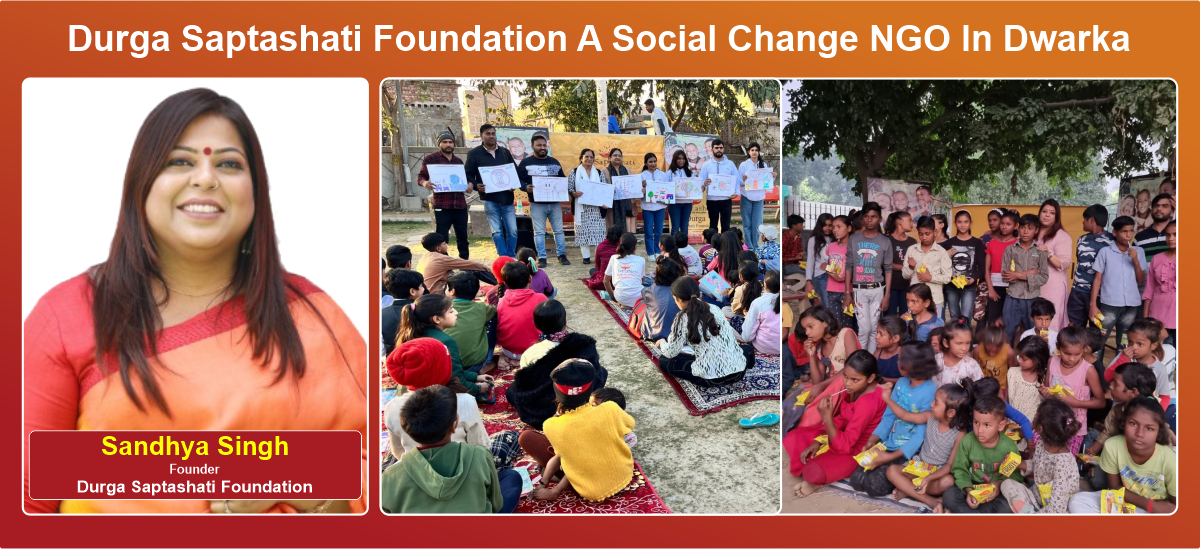
As a food and health NGO in Delhi, this programme continues throughout the year. It is led by Sandhya Singh and is focused on consistency rather than one-time interventions.
The objective remains practical support: regular meals, basic health understanding, and steady presence within the community.