In many communities, children reach school without having eaten enough. Teachers usually notice it before anyone else. A child takes longer to settle, needs instructions repeated, or sits quietly because they simply don’t have the energy to keep up. Hunger usually affects how they think long before it affects how they look.
A child who hasn’t eaten properly wakes up tired. They reach school already running on low energy, and learning becomes a task that demands more than they can give.
Join Sandhya Singh in fighting hunger in Dwarka →
When the Mind Doesn’t Get Fuel
Children who don’t get enough iron or protein often take longer to absorb what’s being taught. They lose track more easily and need more time to stay with a lesson.
This isn’t stubbornness. Or laziness. It’s simply that their body is asking for energy while the classroom is asking for attention.
Missed Classes, Missed Chances
Malnutrition also shows up in the form of constant illnesses. Weak immunity means more fevers, more stomach infections, more tired days. And each absence from school leaves a child a little further behind.
Some children start skipping school altogether because catching up feels impossible. Others are kept at home because they look too weak. Slowly, their connection to learning fades, not due to choice, but because hunger creates a gap they can’t cross.
Emotions Take a Hit Too
A hungry child doesn’t only struggle academically. Their emotional world is affected in ways adults often overlook. Some children go quiet and pull away from others because they’re drained. It’s easy for adults to misread this, though it’s usually hunger speaking before the child can.
In group activities, these children hesitate more. They don’t raise their hands as often. They avoid conversations. When the body feels weak, confidence doesn’t stand very firmly either.
Why It Matters to Act Now
A healthy meal can change a child’s entire day. Regular nutrition can change their entire future. It shows up in small but powerful ways — improved focus, better attendance, higher participation, calmer behavior.
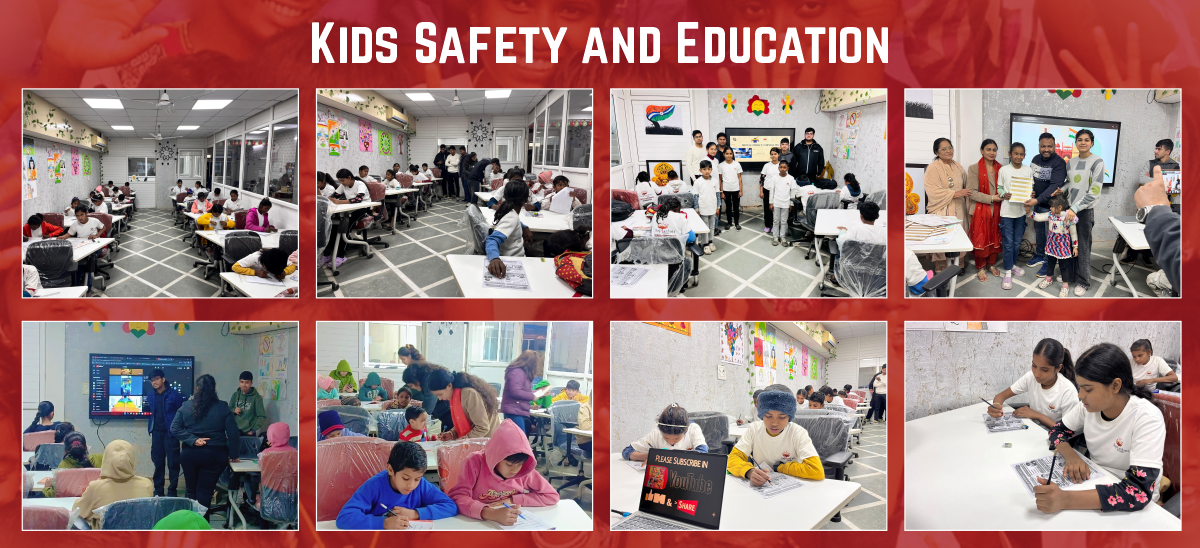
The food support children receive through Sandhya Singh’s food and health NGO work makes a very practical difference. When children start receiving steady meals, the impact shows up quietly. They settle into lessons without looking exhausted before the first break. They pick up their notebooks faster. They stop drifting in the middle of a sentence. These small shifts are easy to miss unless you compare how they were a month earlier.
Teachers often mention that once hunger is off a child’s mind, the classroom feels different for them. They raise their hand more often. They stay with a task a little longer. They don’t check out mentally midway through a lesson. It’s not a dramatic transformation, just a slow return of the attention and confidence they already had but couldn’t use.
This is what the Sandhya Singh Food and Health initiative in Dwarka aims to support—taking away the physical strain that keeps children from learning. It creates a more even start for those who didn’t have it.